

Walk the Bible Blog
Trusted Updates. Biblical Insight. Prophetic Perspective.
Clear, grounded resources on Israel for pastors, teachers, and donors who equip them.
Israel isn’t a side chapter in Scripture. It’s the setting for most of the Bible, the birthplace of the Church, and the focal point of God’s covenant promises. World events, archaeology, and prophecy converge there more than anywhere else on earth. We report on it to add clarity, not noise.
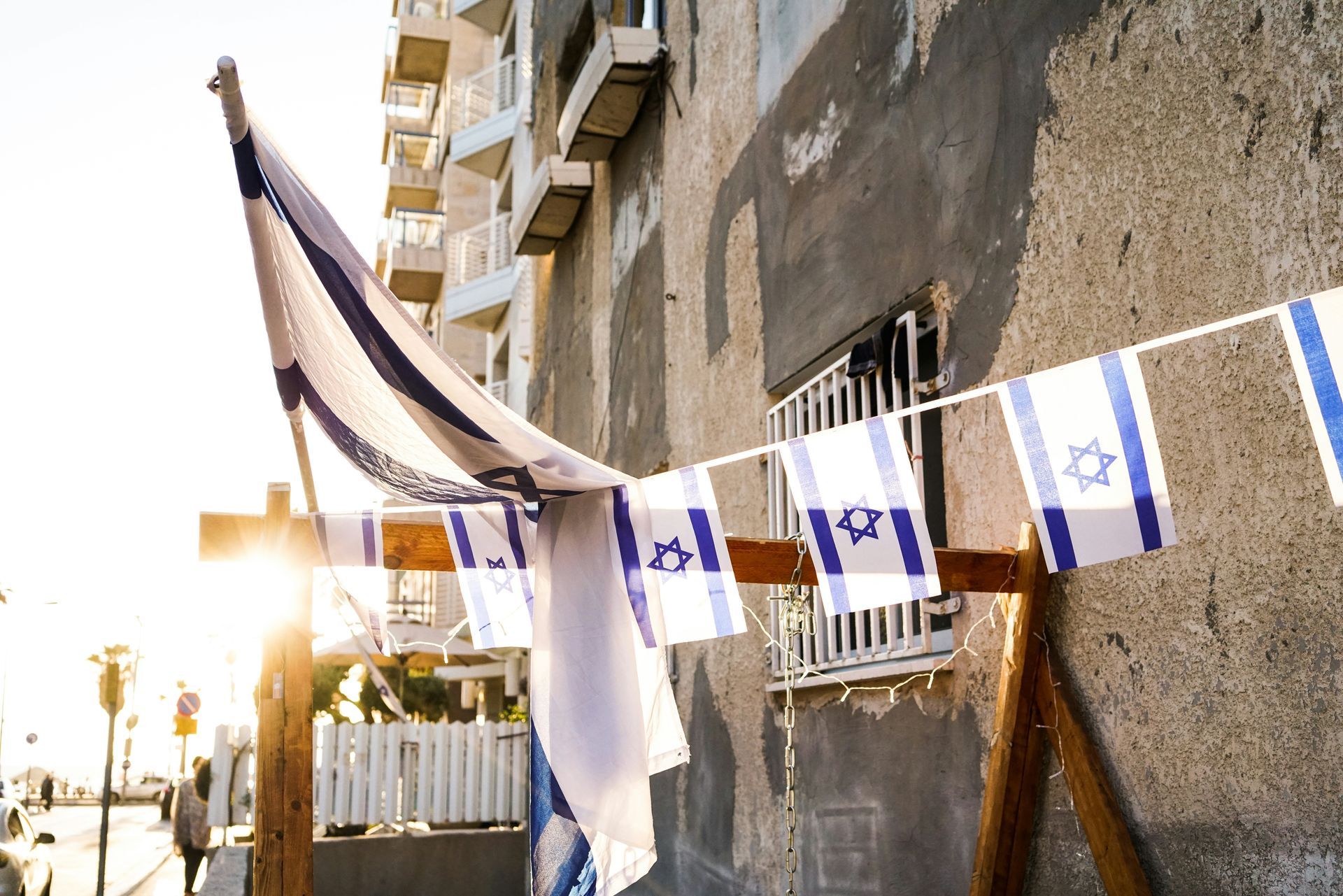
Israel has powerful friends today. But will it always? That question becomes especially important when we compare what is happening in our world with what Scripture says about Israel’s future. For decades, the United States and other Western nations have provided Israel with important diplomatic, military, and economic support. Yet today, attitudes toward Israel are shifting dramatically in many parts of the world. We see growing hostility toward Israel on college campuses, in public demonstrations, across social media, and increasingly within political movements around the world. All of this raises an important question for students of Bible prophecy: Does Scripture describe a future in which Israel becomes increasingly isolated from the nations around her? The prophet Zechariah gives us a remarkable glimpse of what lies ahead. And while we should always be careful about claiming that a particular headline is the fulfillment of prophecy, the direction Scripture describes deserves our attention. Jerusalem Will Become the Focus of the World More than 2,500 years ago, the prophet Zechariah recorded these words: “I am going to make Jerusalem a cup that sends all the surrounding peoples reeling… On that day, when all the nations of the earth are gathered against her, I will make Jerusalem an immovable rock for all the nations.” — Zechariah 12:2–3 Think about how remarkable that prophecy is. Jerusalem is not one of the world’s largest cities. It is not the center of global finance. It does not possess the population or geographic size of cities like New York, London, Beijing, or Tokyo. And yet few places on earth consistently command as much international attention. Again and again, Jerusalem becomes the center of political controversy, religious tension, diplomatic negotiations, and international debate. According to Zechariah, that attention will not diminish as history moves forward. It will intensify. An “Immovable Rock” Among the Nations Zechariah uses an interesting description for Jerusalem. God says He will make the city an “immovable rock.” The picture is of something the nations attempt to move but cannot. They struggle against it. They attempt to solve what they see as the “problem” of Jerusalem. But they ultimately injure themselves trying. There is something deeper happening here than geopolitics. Jerusalem matters because God has attached His purposes to this city and this land throughout Scripture. It was Jerusalem where David established his throne. It was Jerusalem where Solomon built the Temple. It was Jerusalem where Jesus was crucified and rose again. And according to Bible prophecy, Jerusalem will continue to occupy a central place in God’s future purposes. The prophet Zechariah looks forward to a day when the Lord Himself will reign as King: “The Lord will be king over the whole earth.” — Zechariah 14:9 Jerusalem’s importance, therefore, is not simply about ancient history. Jerusalem has a future. And so does Israel. Israel Is Learning a Difficult Lesson Modern Israel has always understood the importance of defending itself. Surrounded for much of its modern history by hostile neighbors, Israel has developed one of the most capable militaries and sophisticated defense systems in the world. But recent years have reinforced a difficult reality: Political alliances can change. Governments change. Public opinion changes. Military partnerships change. Even longtime allies can become less dependable. That reality has encouraged Israel to pursue greater independence in military technology, intelligence, defense production, and other areas critical to its survival. From a human perspective, that makes perfect sense. But Scripture points toward something even deeper. There may come a day when Israel discovers that no military system, political alliance, or foreign government can ultimately guarantee its survival. And that realization may become part of something God has been moving toward all along. Israel’s Greatest Need Is Not Another Ally Christians who support Israel need to understand an important distinction. Biblical support for Israel does not mean believing that everything the Israeli government does is right. Israel is a nation governed by imperfect human beings, just like every other nation. Throughout the Old Testament, God repeatedly confronted Israel’s leaders when they acted unjustly or rebelled against Him. So why should Christians still care about Israel? Because our confidence is not ultimately in the Israeli government. It is in the promises of God. God made covenant promises to Abraham, Isaac, Jacob, and their descendants. The prophets repeatedly describe both Israel’s dispersion and its restoration. And the New Testament makes clear that God has not finished with the Jewish people. Paul asks the question directly: “Did God reject his people?” His answer is equally direct: “By no means!” — Romans 11:1 That means Israel’s greatest need is not simply stronger alliances. It is not better weapons. It is not greater international approval. Israel’s greatest need is ultimately the same as ours: to turn to God. Zechariah’s Prophecy Doesn’t End With War This is where the story becomes especially important. If we stop reading Zechariah after the nations gather against Jerusalem, we miss one of the most beautiful parts of the prophecy. God promises to intervene. Zechariah writes: “On that day I will set out to destroy all the nations that attack Jerusalem.” — Zechariah 12:9 But what follows is even more significant. God says: “And I will pour out on the house of David and the inhabitants of Jerusalem a spirit of grace and supplication. They will look on me, the one they have pierced…” — Zechariah 12:10 Notice what happens. There is not merely national deliverance. There is spiritual awakening. That distinction is essential to understanding Israel’s future. Scripture does not simply describe a Jewish people who survive. It describes a people whom God ultimately draws back to Himself. The Apostle Paul points toward this same future hope in Romans 11, describing a day when God’s purposes for Israel reach their culmination. Israel’s story is not finished. When Israel Can No Longer Depend on the Nations Perhaps there will come a moment when Israel has exhausted every other option. When alliances have failed. When military strength is insufficient. When international opinion has turned overwhelmingly against her. When there is nowhere else to look. And perhaps that is when Israel will finally look up. We should be cautious about constructing a detailed timeline beyond what Scripture clearly tells us. But the direction of biblical prophecy is unmistakable. Israel will face tremendous opposition. God will remain faithful. And ultimately, Israel’s hope will be found not in the strength of the nations, but in the God of Israel. That is why Zechariah can say: “The people of Jerusalem are strong, because the Lord Almighty is their God.” — Zechariah 12:5 What a day that will be. Why Christians Should Pray for Jerusalem All of this should affect more than the way we interpret the news. It should affect the way we pray. The psalmist tells us: “Pray for the peace of Jerusalem.” — Psalm 122:6 We should pray for Jewish families. We should pray for Palestinians and other innocent people throughout the region who live with the consequences of conflict. We should pray for wisdom and justice among leaders. We should pray for believers who faithfully follow Jesus in extraordinarily difficult circumstances. But above all, we should pray for spiritual awakening. Because the deepest peace Jerusalem needs will never ultimately come through another treaty, another military victory, or another political agreement. True and lasting peace will come through the Prince of Peace. Today, Israel may look to its military. It may look to America. It may look to other allies. But Scripture points toward a remarkable day when Israel will ultimately look to the Lord. The nations may turn against Jerusalem. The political landscape may change. Israel may increasingly find itself standing alone. But Israel will never stand outside the promises and purposes of God. And that is why we continue to watch. That is why we continue to study His Word. And that is why we continue to pray for the peace of Jerusalem.
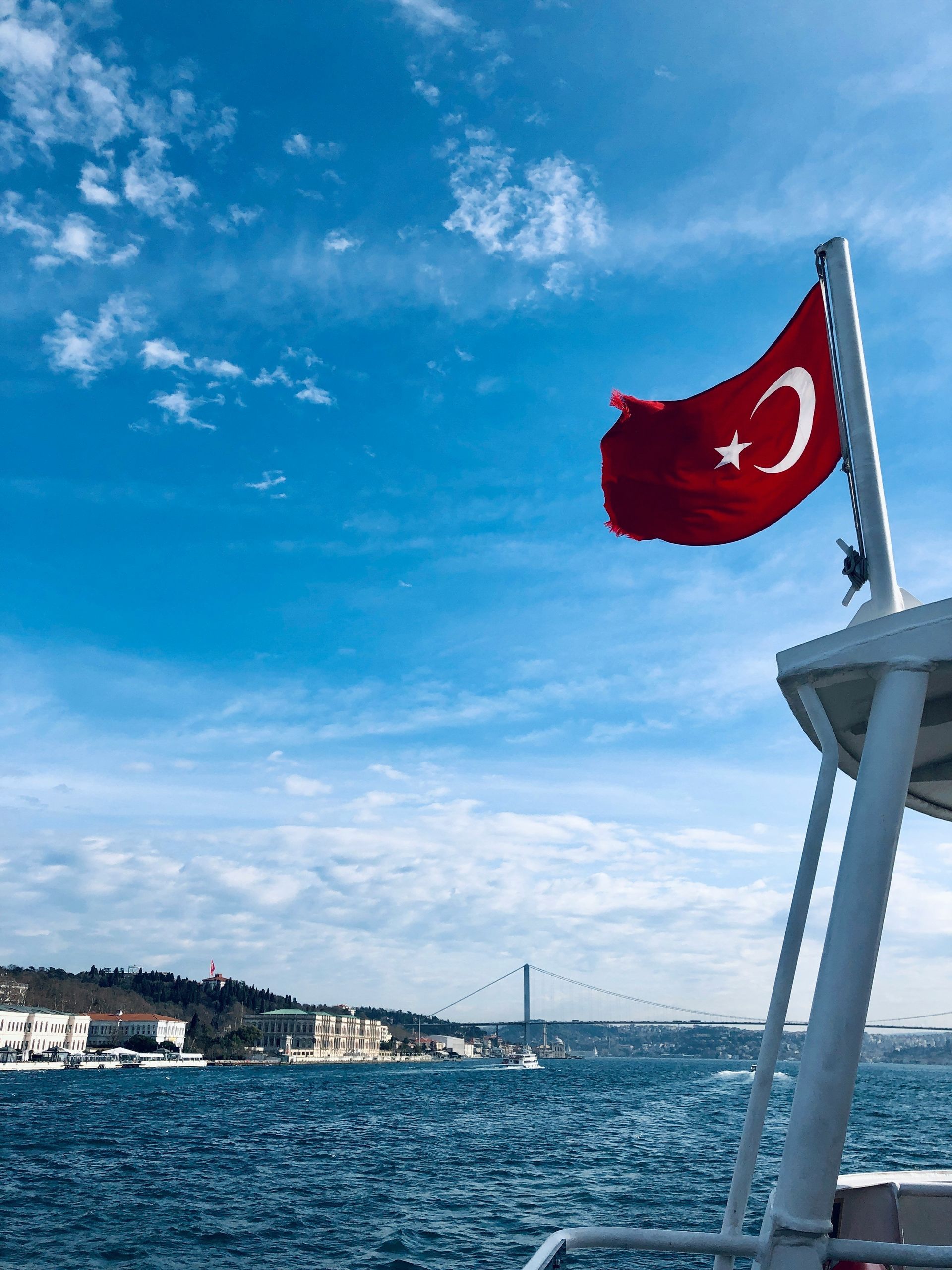
What do Iran and Turkey have to do with Bible prophecy? Explore Ezekiel 38, the future battle of Gog and Magog, and what Scripture reveals about Israel’s future.

The body content of your post goes here. To edit this text, click on it and delete this default text and start typing your own or paste your own from a different source.
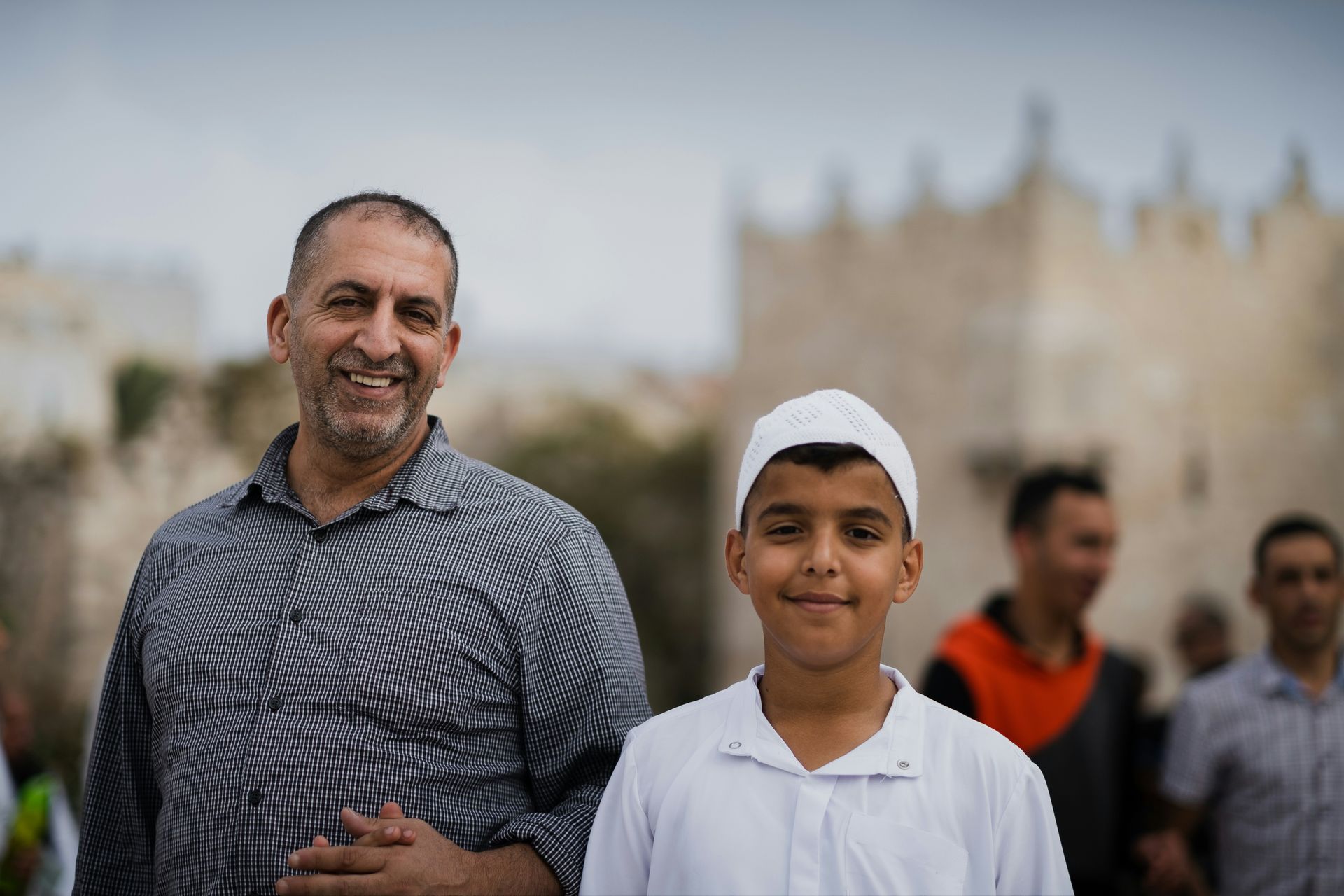
When conflict erupts in the Middle East, it doesn't take long for people to choose sides. News outlets frame the story one way. Social media frames it another. Political leaders offer competing narratives. Before long, many conversations become less about people and more about positions. But followers of Jesus are called to see something that often gets lost in the debate: People. Real people. Families. Children. Grandparents. Neighbors. Individuals created in the image of God. That is why Christians should pray—not only for Israelis, but also for Palestinians. The Human Cost of Conflict For many Americans, events in the Middle East feel distant. We read headlines. We watch news reports. We hear statistics. Yet behind every statistic is a person. A family awakened by sirens. A parent worried about a child. A community disrupted by violence. A church praying for safety. A family longing for peace. Whether someone lives in Jerusalem, Tel Aviv, Bethlehem, Ramallah, or Gaza, the human cost of conflict is real. And God sees every person involved. Why Christians Care About Israel The Bible gives believers a unique connection to Israel. God chose Abraham. God established covenants with Israel. The prophets ministered there. Jesus lived, taught, died, and rose again in the land of Israel. Scripture repeatedly calls believers to pray for the peace of Jerusalem. For these reasons and many others, Christians rightly care about Israel and the Jewish people. But biblical concern for Israel should never lead to indifference toward others. The God who made covenant promises to Israel is also the God who loves the world. Every Person Bears God's Image One of the most foundational truths in Scripture is that every human being is created in the image of God. That includes: Israeli citizens. Palestinian families. Jewish communities. Muslim communities. Christian communities. People we agree with. People we disagree with. People whose stories we understand. And people whose experiences are very different from our own. Every person matters to God. And because they matter to God, they should matter to us. Jesus Calls Us to Compassion When Jesus looked at crowds of people, He did not first see political categories. He saw sheep without a shepherd. He saw people in need. He saw individuals whom the Father loved. That perspective should shape how we view the Middle East today. As Christians, we are not called to celebrate suffering. We are not called to become hardened by tragedy. We are not called to ignore innocent lives caught in the middle of conflict. We are called to compassion. The kind of compassion that reflects the heart of Christ. What Should We Pray For? Praying for Israelis and Palestinians does not require us to ignore difficult realities. Nor does it require us to abandon biblical convictions. It simply means bringing people before God with humility and love. Pray for protection. Pray for wisdom. Pray for leaders making difficult decisions. Pray for innocent civilians. Pray for churches throughout the region. Pray for Jewish communities. Pray for Arab communities. Pray for those grieving loss. Pray for those living in fear. Most importantly, pray that people come to know Jesus Christ. Political solutions may reduce conflict. Only the gospel can transform hearts. The Peace the Middle East Needs Most The conflicts of the Middle East are complicated. They involve history, religion, politics, security, and competing narratives that stretch back generations. No blog article can solve those challenges. But Scripture points us to a deeper reality. The greatest need in the Middle East is the same as the greatest need everywhere else. People need reconciliation with God. The Prince of Peace. Jesus Christ. The gospel remains the only message powerful enough to unite people from every tribe, tongue, nation, and background into one family. Praying Like Jesus When we pray for the Middle East, we should pray with both conviction and compassion. Conviction because God's promises are true. Compassion because God's heart is for people. The goal is not merely that one side would prevail over another. The goal is that God's purposes would be accomplished. That lives would be protected. That justice would flourish. That peace would grow. And that many would come to know the Savior who gave His life for the world. So pray for Israel. Pray for Palestinians. Pray for peace. And pray that the light of Christ shines brightly throughout the land where so much of the biblical story unfolded. Because every person there matters deeply to the God who created them.
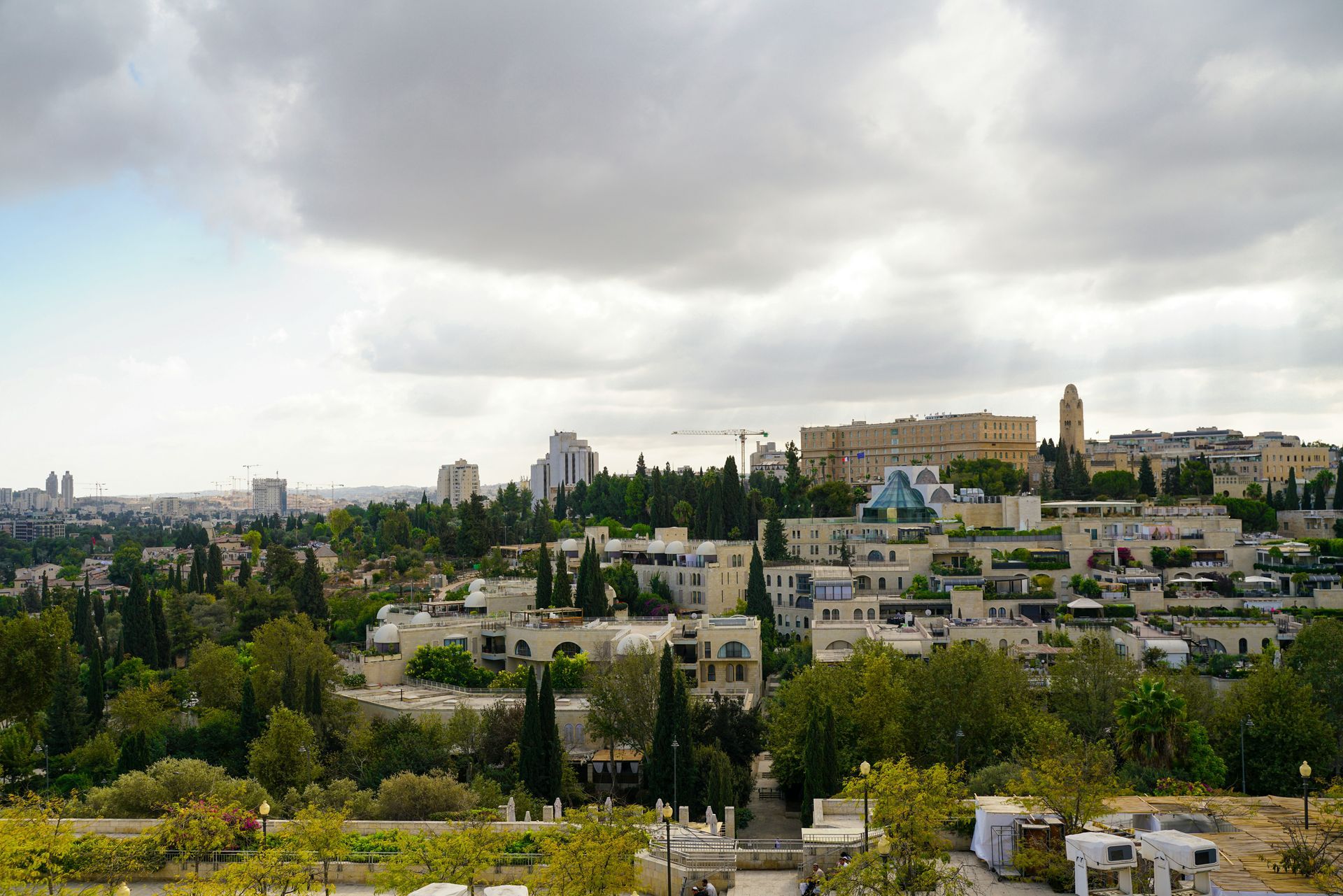
Every time tensions rise in the Middle East, one passage of Scripture inevitably enters the conversation: Ezekiel 38. Students of Bible prophecy have long been fascinated by this remarkable chapter. It describes a future invasion of Israel by a coalition of nations led by a figure identified as Gog. For many believers, the question naturally follows: Could the events we see today be setting the stage for that future conflict? The answer requires both careful observation and biblical humility. A Prophecy Unlike Any Other Ezekiel 38 describes a future attack against Israel after the Jewish people have been regathered to their land from many nations. That detail alone is extraordinary. When Ezekiel recorded this prophecy, Israel's future seemed uncertain. Yet God declared that His people would one day return to their homeland from among the nations of the world. Today, that reality has unfolded before our eyes. Over the last century, millions of Jewish people have returned to Israel from Europe, Russia, North Africa, the Middle East, Ethiopia, and beyond. What Ezekiel described centuries ago has become a visible reality. But the prophecy includes another important detail. Living in Safety Ezekiel writes that the invasion occurs when Israel is dwelling securely. God describes a people who have been gathered from the nations and are living in safety. Later in the chapter, the land is described as a place of "unwalled villages" inhabited by a peaceful and unsuspecting people. This is where prophecy students often pause. Because whatever those phrases ultimately mean, they do not seem to describe Israel today. Does Israel Fit That Description Today? Modern Israel is many things. Secure and unsuspecting are not among them. The nation faces constant security concerns. Missile defense systems remain active. Military readiness is a way of life. Many Israelis have experienced rocket attacks, terrorism, or military conflict firsthand. Security fences, checkpoints, and protective measures are common realities throughout the country. No serious observer would describe Israel today as a nation at ease. That raises an important question. If Ezekiel's prophecy describes a future period of relative tranquility, how does Israel move from its current situation to the conditions Ezekiel describes? Why Some Christians Watch Peace Efforts Closely This is one reason many believers pay attention whenever significant peace negotiations emerge in the Middle East. The Bible does not tell us exactly how future events will unfold. But it does appear to describe a period in which Israel experiences a sense of security before the invasion takes place. Could future diplomatic agreements contribute to that environment? Possibly. Could regional cooperation create a sense of stability? Perhaps. Could there be developments we have not yet imagined? Certainly. Scripture gives us the destination. It does not always reveal every step along the way. Avoiding Two Common Mistakes When discussing prophecy, Christians often fall into one of two errors. The first is ignoring biblical prophecy altogether. The second is assuming every headline fulfills it. Neither approach is wise. God gave prophetic passages for a reason. They remind us that history is moving according to His plan. At the same time, believers should avoid the temptation to force current events into prophetic timelines prematurely. Many sincere Christians throughout history have confidently identified events that later proved to be something else entirely. The goal is not speculation. The goal is watchfulness. What Should We Do? Jesus repeatedly encouraged His followers to be alert. Not fearful. Not obsessed. Alert. We should pay attention to the world around us. We should study Scripture carefully. We should pray for Israel, for the nations, and for peace. And we should remember that prophecy was never intended merely to satisfy curiosity about the future. Its purpose is to strengthen our confidence in God. The Lord knows where history is headed. Nothing happening in the Middle East catches Him by surprise. Nothing unfolding on the world stage threatens His purposes. The Bigger Picture Whether today's events directly relate to Ezekiel 38 remains to be seen. No one can say with certainty. What we can say is this: The same God who foretold Israel's regathering continues to guide history toward its appointed conclusion. The same God who preserved His people through exile and dispersion remains faithful to His promises. And the same God who revealed the future through His prophets has promised that one day Jesus Christ will return to establish His kingdom. That is the ultimate hope of biblical prophecy. Not simply knowing what comes next. But knowing the One who holds the future in His hands.

Few things capture the world's attention like the promise of peace. When nations sign agreements, when conflicts cool, and when leaders announce breakthroughs, people naturally breathe a sigh of relief. After all, peace is something every human heart longs for. Yet the Bible offers a surprising warning. Writing to believers in Thessalonica, the Apostle Paul says: "While people are saying, 'Peace and safety,' destruction will come on them suddenly..." (1 Thessalonians 5:3) At first glance, those words seem unsettling. Why would Scripture warn us about peace? Is peace a bad thing? Of course not. The answer lies in understanding the difference between true peace and false peace. Humanity's Search for Peace From the beginning of history, people have longed for peace. Nations seek peace through diplomacy. Governments seek peace through military strength. Communities seek peace through laws and institutions. Individuals seek peace through relationships, security, and prosperity. The desire itself is not wrong. In fact, it reflects something God placed within us. We were created for peace with God and peace with one another. The problem is that humanity often seeks the benefits of peace while ignoring its true source. The Illusion of Security Paul's warning in 1 Thessalonians is not directed against peace itself. It is directed against a false confidence. The phrase "peace and safety" describes a world convinced that everything is under control. A world that believes human solutions have solved humanity's deepest problems. A world that feels secure without acknowledging its need for God. Throughout history, people have repeatedly placed their trust in political systems, military alliances, economic prosperity, and human leaders. Yet every generation eventually discovers the same truth: Human promises cannot fully deliver what only God can provide. Peace in Bible Prophecy Many students of prophecy notice that Scripture describes a period of apparent stability before significant end-times events unfold. The prophet Ezekiel speaks of a time when Israel appears to dwell securely before an invasion from the north. Paul describes people speaking confidently about peace and safety before sudden disruption occurs. These passages have caused many believers to pay close attention whenever major peace initiatives emerge in the Middle East. Not because every agreement fulfills prophecy. But because Scripture indicates that a sense of security may play a role in future prophetic events. As Christians, we should watch carefully—but we should also exercise humility. The Bible tells us what will happen. It does not always tell us precisely when. The Peace the World Cannot Give Jesus spoke often about peace. Yet the peace He offered was different from what the world expected. On the night before His crucifixion, He told His disciples: "Peace I leave with you; my peace I give you. I do not give to you as the world gives." The world's peace is often temporary. It depends on circumstances. It can be disrupted by conflict, uncertainty, or loss. Christ's peace is different. It flows from reconciliation with God. It remains even in difficult circumstances. It is rooted not in changing events but in an unchanging Savior. Why This Matters Today When headlines announce new agreements, ceasefires, or diplomatic breakthroughs, Christians should not respond with cynicism. Nor should we place our ultimate hope in political solutions. Instead, we should respond with wisdom. Celebrate progress when it occurs. Pray for peace. Support efforts that protect human life. But remember that no treaty, government, or international agreement can ultimately solve humanity's deepest problem. Our greatest need is not political. It is spiritual. The world needs the Prince of Peace. Looking Beyond Temporary Peace The Bible points forward to a day when true peace will finally reign. Not because nations have perfected diplomacy. Not because humanity has solved its problems. But because Jesus Christ will establish His kingdom. The prophets describe a future where nations no longer learn war. Where justice prevails. Where righteousness fills the earth. Where the Messiah reigns from Jerusalem. That is the peace believers ultimately await. Until then, we continue to pray. We pray for peace in Israel. We pray for peace among nations. We pray for wisdom for leaders. But we place our confidence not in temporary agreements or political arrangements. We place our confidence in the God who has promised that one day true and lasting peace will come through His Son. And unlike every peace plan conceived by man, that promise will never fail.