
As the Middle East Tensions Grow: A Biblical Perspective on Recent Developments

Robert Fetterhoff • March 11, 2026

When tensions rise in the Middle East, the Bible calls believers to respond with prayer, trust in God’s sovereignty, and a focus on spiritual hope rather than fear.

Over the past several days, the situation in the Middle East has continued to develop rapidly. What began with coordinated strikes against Iran has now become one of the most significant geopolitical moments in recent years, and people around the world are watching closely.


As believers, moments like this naturally raise questions.


What does this mean for the future?

How should we understand these events?

And most importantly, what does Scripture say about times like these?


The Bible does not give us a day-by-day explanation of current events, but it does give us a framework for understanding the world when tensions rise and nations move toward conflict.


An Unusual Moment During the Feast of Purim


Interestingly, these developments have unfolded during the Jewish festival of Purim, a holiday that commemorates one of the most remarkable deliverances in Jewish history.


Purim remembers the events recorded in the book of Esther, when the Jewish people living under Persian rule faced a plot to destroy them. A powerful official named Haman sought the elimination of every Jewish man, woman, and child throughout the Persian Empire. Yet through the courage of Queen Esther and the unseen providence of God, the plan was overturned and the Jewish people were preserved.


Purim ultimately celebrates the truth that God protects His covenant people and works behind the scenes of history.


It is difficult not to notice the timing of recent events as that ancient story is being remembered around the world.


For many observers, the developments in Iran over the past few days feel strikingly significant.


But whether events unfold quickly or slowly from here, the deeper lesson remains the same: God is still sovereign over history.


The World’s Attention Turns Again Toward Israel


Jerusalem has long been the focal point of global tension, and Scripture tells us that this will continue to be true.


The Bible describes a time when the nations of the world will increasingly focus their attention on Israel and Jerusalem. The prophet Zechariah writes that Jerusalem will become “a cup of trembling” for the nations. The psalmist asks in Psalm 2, “Why do the nations rage and the peoples plot in vain?”


Jesus himself warned that the period before His return would include wars and rumors of wars, along with increasing turmoil among nations.


For those who follow Scripture closely, the tensions we see today remind us that history is moving toward a future that God has already revealed in His Word.


Developments on the Ground


Reports from the past 48 hours indicate that military operations have significantly impacted Iran’s missile infrastructure and military capabilities.


According to several sources, a large portion of Iran’s ballistic missile supply has been destroyed, and hundreds of strategic targets connected to missile systems, air defenses, and military leadership have been struck.


While the situation remains fluid, many observers believe the coming days may determine whether the Iranian regime continues to hold power or whether internal pressure leads to significant political change.


At the same time, retaliatory strikes and regional tensions remind us that conflict always brings uncertainty and risk—especially for civilians who find themselves caught in the middle.


That is why this moment calls not only for careful observation, but for earnest prayer.


How Should We Respond?


When the world feels unstable, Scripture calls believers to respond in ways that are very different from the reactions we often see in public discourse.


We respond first by trusting God.


Proverbs reminds us:


“Trust in the Lord with all your heart and lean not on your own understanding.”


In times when the future feels uncertain, that command becomes especially meaningful.


We also respond by praying.


Pray for innocent civilians throughout the region.

Pray for wisdom for leaders making critical decisions.

Pray for peace and restraint in moments when tensions could easily escalate further.


And perhaps most importantly, pray for spiritual awakening.


A Remarkable Spiritual Movement


One of the most encouraging developments of recent years has been the growth of the Christian faith inside Iran itself.


Despite decades of oppression and strict control by the government, the Gospel has quietly spread among the Iranian people. Some estimates suggest that millions of Iranians are now exploring the message of Christ, making the Iranian church one of the fastest-growing Christian movements in the world.


In times of political upheaval, people often begin asking deeper questions about life, truth, and hope.


And that is when the message of Christ shines most brightly.


Remembering the Larger Story


No one can say with certainty what the coming days or weeks will bring.


But believers can rest in a truth that has remained constant throughout history:


God is still in control.


Empires rise and fall.

Leaders come and go.

Nations change direction.


Yet through every generation, God continues to work out His purposes.


In moments of uncertainty like this, we remember that history ultimately belongs to Him.


We pray for peace.

We pray for protection.

And we pray that many people—throughout the Middle East and around the world—will come to know the One who alone can bring lasting peace.


The day is coming when the Prince of Peace will reign.


Until that day, we watch carefully, we pray faithfully, and we place our trust in the God who holds the future.
By Robert Fetterhoff July 21, 2026
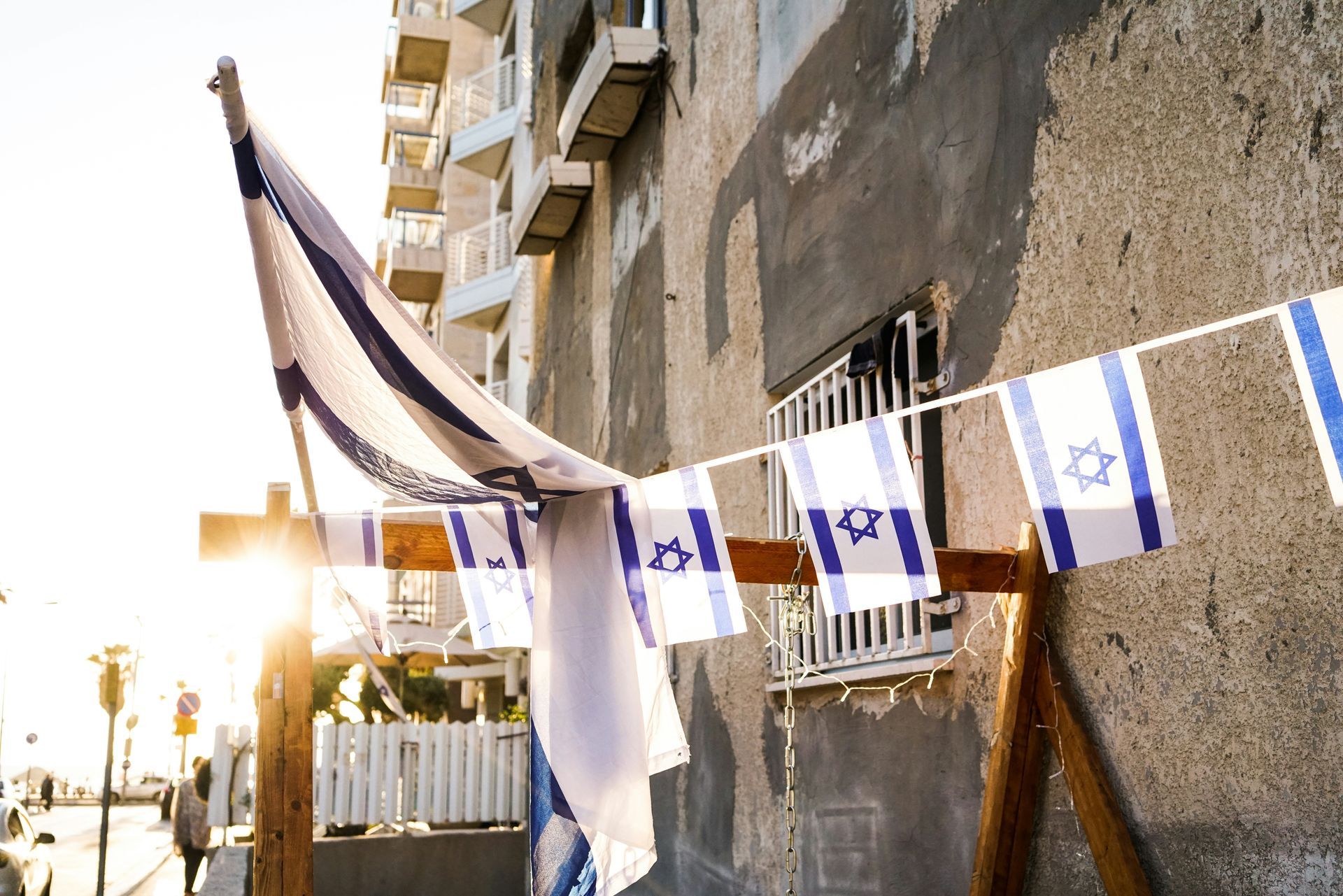
Israel has powerful friends today. But will it always? That question becomes especially important when we compare what is happening in our world with what Scripture says about Israel’s future. For decades, the United States and other Western nations have provided Israel with important diplomatic, military, and economic support. Yet today, attitudes toward Israel are shifting dramatically in many parts of the world. We see growing hostility toward Israel on college campuses, in public demonstrations, across social media, and increasingly within political movements around the world. All of this raises an important question for students of Bible prophecy: Does Scripture describe a future in which Israel becomes increasingly isolated from the nations around her? The prophet Zechariah gives us a remarkable glimpse of what lies ahead. And while we should always be careful about claiming that a particular headline is the fulfillment of prophecy, the direction Scripture describes deserves our attention. Jerusalem Will Become the Focus of the World More than 2,500 years ago, the prophet Zechariah recorded these words: “I am going to make Jerusalem a cup that sends all the surrounding peoples reeling… On that day, when all the nations of the earth are gathered against her, I will make Jerusalem an immovable rock for all the nations.” — Zechariah 12:2–3 Think about how remarkable that prophecy is. Jerusalem is not one of the world’s largest cities. It is not the center of global finance. It does not possess the population or geographic size of cities like New York, London, Beijing, or Tokyo. And yet few places on earth consistently command as much international attention. Again and again, Jerusalem becomes the center of political controversy, religious tension, diplomatic negotiations, and international debate. According to Zechariah, that attention will not diminish as history moves forward. It will intensify. An “Immovable Rock” Among the Nations Zechariah uses an interesting description for Jerusalem. God says He will make the city an “immovable rock.” The picture is of something the nations attempt to move but cannot. They struggle against it. They attempt to solve what they see as the “problem” of Jerusalem. But they ultimately injure themselves trying. There is something deeper happening here than geopolitics. Jerusalem matters because God has attached His purposes to this city and this land throughout Scripture. It was Jerusalem where David established his throne. It was Jerusalem where Solomon built the Temple. It was Jerusalem where Jesus was crucified and rose again. And according to Bible prophecy, Jerusalem will continue to occupy a central place in God’s future purposes. The prophet Zechariah looks forward to a day when the Lord Himself will reign as King: “The Lord will be king over the whole earth.” — Zechariah 14:9 Jerusalem’s importance, therefore, is not simply about ancient history. Jerusalem has a future. And so does Israel. Israel Is Learning a Difficult Lesson Modern Israel has always understood the importance of defending itself. Surrounded for much of its modern history by hostile neighbors, Israel has developed one of the most capable militaries and sophisticated defense systems in the world. But recent years have reinforced a difficult reality: Political alliances can change. Governments change. Public opinion changes. Military partnerships change. Even longtime allies can become less dependable. That reality has encouraged Israel to pursue greater independence in military technology, intelligence, defense production, and other areas critical to its survival. From a human perspective, that makes perfect sense. But Scripture points toward something even deeper. There may come a day when Israel discovers that no military system, political alliance, or foreign government can ultimately guarantee its survival. And that realization may become part of something God has been moving toward all along. Israel’s Greatest Need Is Not Another Ally Christians who support Israel need to understand an important distinction. Biblical support for Israel does not mean believing that everything the Israeli government does is right. Israel is a nation governed by imperfect human beings, just like every other nation. Throughout the Old Testament, God repeatedly confronted Israel’s leaders when they acted unjustly or rebelled against Him. So why should Christians still care about Israel? Because our confidence is not ultimately in the Israeli government. It is in the promises of God. God made covenant promises to Abraham, Isaac, Jacob, and their descendants. The prophets repeatedly describe both Israel’s dispersion and its restoration. And the New Testament makes clear that God has not finished with the Jewish people. Paul asks the question directly: “Did God reject his people?” His answer is equally direct: “By no means!” — Romans 11:1 That means Israel’s greatest need is not simply stronger alliances. It is not better weapons. It is not greater international approval. Israel’s greatest need is ultimately the same as ours: to turn to God. Zechariah’s Prophecy Doesn’t End With War This is where the story becomes especially important. If we stop reading Zechariah after the nations gather against Jerusalem, we miss one of the most beautiful parts of the prophecy. God promises to intervene. Zechariah writes: “On that day I will set out to destroy all the nations that attack Jerusalem.” — Zechariah 12:9 But what follows is even more significant. God says: “And I will pour out on the house of David and the inhabitants of Jerusalem a spirit of grace and supplication. They will look on me, the one they have pierced…” — Zechariah 12:10 Notice what happens. There is not merely national deliverance. There is spiritual awakening. That distinction is essential to understanding Israel’s future. Scripture does not simply describe a Jewish people who survive. It describes a people whom God ultimately draws back to Himself. The Apostle Paul points toward this same future hope in Romans 11, describing a day when God’s purposes for Israel reach their culmination. Israel’s story is not finished. When Israel Can No Longer Depend on the Nations Perhaps there will come a moment when Israel has exhausted every other option. When alliances have failed. When military strength is insufficient. When international opinion has turned overwhelmingly against her. When there is nowhere else to look. And perhaps that is when Israel will finally look up. We should be cautious about constructing a detailed timeline beyond what Scripture clearly tells us. But the direction of biblical prophecy is unmistakable. Israel will face tremendous opposition. God will remain faithful. And ultimately, Israel’s hope will be found not in the strength of the nations, but in the God of Israel. That is why Zechariah can say: “The people of Jerusalem are strong, because the Lord Almighty is their God.” — Zechariah 12:5 What a day that will be. Why Christians Should Pray for Jerusalem All of this should affect more than the way we interpret the news. It should affect the way we pray. The psalmist tells us: “Pray for the peace of Jerusalem.” — Psalm 122:6 We should pray for Jewish families. We should pray for Palestinians and other innocent people throughout the region who live with the consequences of conflict. We should pray for wisdom and justice among leaders. We should pray for believers who faithfully follow Jesus in extraordinarily difficult circumstances. But above all, we should pray for spiritual awakening. Because the deepest peace Jerusalem needs will never ultimately come through another treaty, another military victory, or another political agreement. True and lasting peace will come through the Prince of Peace. Today, Israel may look to its military. It may look to America. It may look to other allies. But Scripture points toward a remarkable day when Israel will ultimately look to the Lord. The nations may turn against Jerusalem. The political landscape may change. Israel may increasingly find itself standing alone. But Israel will never stand outside the promises and purposes of God. And that is why we continue to watch. That is why we continue to study His Word. And that is why we continue to pray for the peace of Jerusalem.
By Robert Fetterhoff July 21, 2026
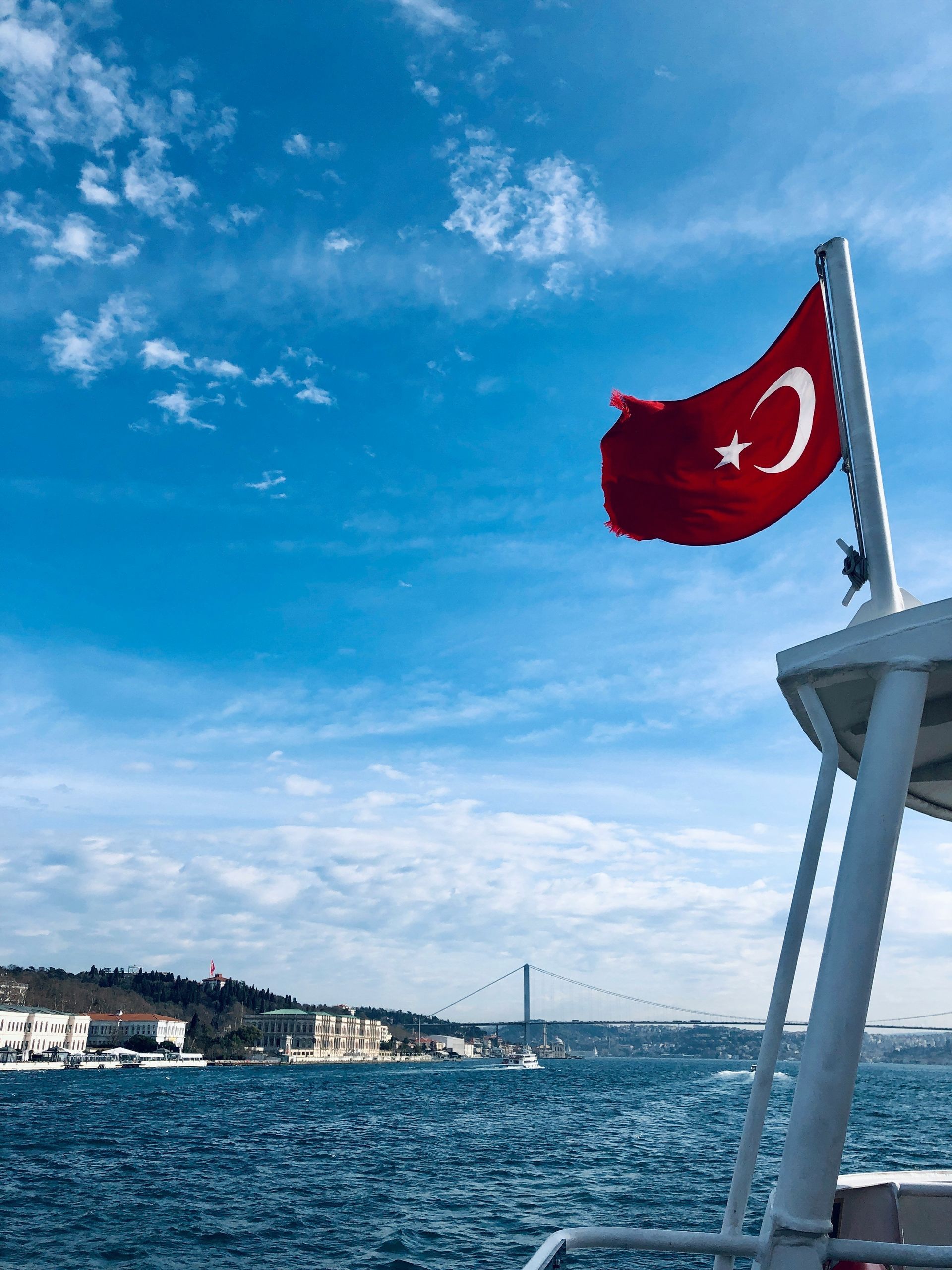
What do Iran and Turkey have to do with Bible prophecy? Explore Ezekiel 38, the future battle of Gog and Magog, and what Scripture reveals about Israel’s future.
By Robert Fetterhoff June 16, 2026
The body content of your post goes here. To edit this text, click on it and delete this default text and start typing your own or paste your own from a different source.