
Iran in the Bible: Why Persia Still Matters Today

Robert Fetterhoff • April 28, 2026

When most people hear the name Iran, they think of modern headlines—conflict, tension, and uncertainty.


But the Bible tells a much longer story.


Long before Iran became a focal point in today’s news, it was known as Persia—and it played a significant role in God’s unfolding plan.


If we want to understand what’s happening in our world today, we need to understand what Scripture reveals about this nation in the past.


A Nation with Deep Biblical Roots


The Bible doesn’t treat Persia as a distant or irrelevant place. It shows up at key moments in redemptive history.


In fact, one of the most dramatic turning points in the Old Testament involves the rise of the Medes and Persians.


The prophet Daniel records the fall of Babylon—an event that had been predicted more than a century earlier by the prophet Isaiah. In a single night, the Babylonian empire collapsed, and the Medes and Persians took control.


That wasn’t just political change.


It was the fulfillment of God’s Word.


God Working Through Unexpected Leaders


One of the most remarkable aspects of Persia’s role in Scripture is how God used its leaders.


Take King Cyrus, for example.


After conquering Babylon, Cyrus issued a decree allowing the Jewish people to return to Jerusalem and rebuild the temple. He even acknowledged that his authority came from “the Lord, the God of heaven.”


Think about that.


A pagan king—outside the nation of Israel—recognized God’s hand on his life and participated in restoring God’s people.


That’s a powerful reminder:


God’s sovereignty is not limited by geography, politics, or even belief systems. He works through whomever He chooses to accomplish His purposes.


The Story of Esther: God at Work Behind the Scenes


Another key moment in Persia’s biblical history comes through the story of Esther.


A young Jewish woman, seemingly unknown and unlikely, becomes queen in the Persian empire. Through a series of events that could only be described as providential, she is positioned to save her people from destruction.


What’s fascinating about the book of Esther is this:


God’s name is never mentioned.


And yet His presence is unmistakable.


Every detail—from Esther’s rise to Mordecai’s courage to the downfall of Haman—reveals a God who is actively working behind the scenes.


That same truth still applies today.


Persia and the Bigger Story of Scripture


When we step back, we begin to see a pattern.


Persia is not just a backdrop in the Bible—it’s part of the storyline.


  • It was used to discipline and then restore God’s people
  • It became the setting for one of the greatest deliverance stories in Scripture
  • It served as a stage where God demonstrated His sovereignty over nations and rulers


And perhaps most importantly…


It reminds us that God is always at work—even in places we might least expect.


Why This Matters Today


So why does any of this matter now?


Because when we see Iran in the headlines, we’re not just looking at a modern political situation.


We’re looking at a region with a long history in God’s plan.


That doesn’t mean every current event directly fulfills prophecy.


But it does mean this:


Nothing happening there is outside of God’s awareness—or His control.


And that should shape how we respond.


Not with fear.


Not with speculation.


But with confidence in a God who has been working through nations like Persia for thousands of years.


Looking Ahead


The Bible doesn’t just speak about Persia in the past—it also points to the future.


There are passages in Scripture that include Persia among nations involved in events still to come.


We’ll explore that in a future post.


But for now, this is the takeaway:


The story of Iran didn’t begin with modern conflict.


And it won’t end there either.


God is still writing the story.


And He is still faithful to His purposes—especially when it comes to Israel and His plan for the nations.
By Robert Fetterhoff May 12, 2026
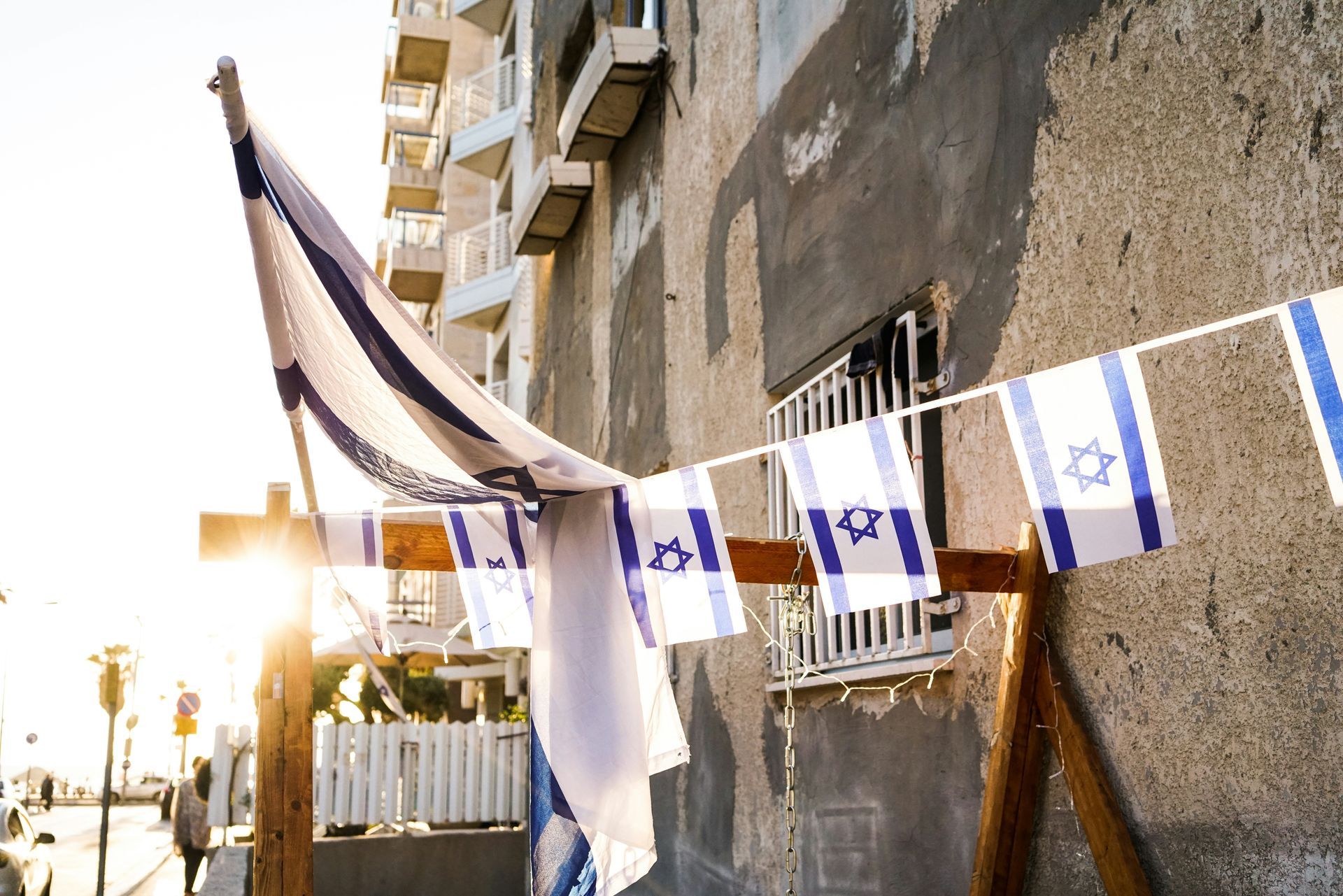
Every time conflict erupts in the Middle East, people begin asking questions about Israel and Bible prophecy. Does Israel still matter in God’s plan? Are the events unfolding today connected to Scripture? And why does this tiny nation continue to stand at the center of world attention generation after generation? Those are important questions. And the Bible speaks to them far more directly than many people realize. Israel’s Story Did Not End in the Old Testament One of the misunderstandings many people have is assuming that Israel’s significance ended once the church was established. But throughout both the Old and New Testaments, Scripture consistently points toward a future for the Jewish people and the land of Israel. The prophets repeatedly described: a physical return to the land, a spiritual awakening, and a future kingdom centered in Jerusalem. For centuries, those promises may have seemed impossible. The Jewish people were scattered throughout the world. Jerusalem was conquered repeatedly. The land itself often appeared barren and forgotten. Yet in 1948, something remarkable happened. The modern state of Israel was reborn. For students of Scripture, that moment carried enormous significance. The Land Came Back to Life One of the most striking things about visiting Israel today is seeing how the land has flourished. Deserts bloom. Agriculture thrives. Cities have expanded. Technology and innovation continue growing rapidly. That renewal reminds me often of the words of Ezekiel, who described the land itself coming back to life after long desolation. But the prophets also make clear that physical restoration is only part of the story. The greater promise still ahead is spiritual renewal. A Future Spiritual Awakening Throughout Scripture, God promises a future turning of many Jewish people toward their Messiah. Ezekiel spoke of God giving His people “a new heart.” Zechariah described a future repentance and mourning. And Paul reaffirmed those promises in Romans 11 when he wrote: “And so all Israel will be saved.” — Romans 11:26 That does not mean every Jewish person is automatically saved apart from faith in Christ. Scripture is clear that salvation comes only through Jesus. But it does point toward a future work of God among the Jewish people unlike anything the world has yet seen. God’s story with Israel is not finished. Why Jerusalem Continues to Matter One reason Israel remains at the center of world tension is because Jerusalem itself carries enormous spiritual significance. The prophet Zechariah described Jerusalem as “a cup of trembling” for the nations. That description feels remarkably current. Few cities in the world attract more global attention, political controversy, or spiritual significance than Jerusalem. And according to Scripture, that will continue in the days ahead. The Bible teaches that Jerusalem will one day become the center of Messiah’s earthly reign when Jesus rules as King. That future kingdom remains one of the great hopes woven throughout prophecy. Prophecy Should Lead Us to Trust God Sometimes people approach Bible prophecy merely as speculation or headline interpretation. But biblical prophecy is ultimately meant to strengthen our confidence in God. It reminds us: that history is moving somewhere, that God remains sovereign, and that His promises can be trusted. Israel’s survival alone is extraordinary. Empires have risen and fallen. Nations far more powerful have disappeared. Yet the Jewish people remain. And the land of Israel continues standing at the crossroads of world history exactly as Scripture described. What This Means for Us Today For Christians, understanding Israel’s future should never produce fear or obsession. Instead, it should produce: confidence in God’s Word, compassion for people, urgency about the gospel, and hope for the future. The Bible makes clear that difficult days will come. But it also makes clear that God remains fully in control. One day, the Prince of Peace Himself will reign from Jerusalem. And until that day comes, we continue watching, praying, studying Scripture, and trusting the God who keeps His promises.
By Robert Fetterhoff May 12, 2026
One of the most moving verses in the book of Isaiah begins with a simple command from God: “Comfort, comfort My people,” says your God. — Isaiah 40:1 Those words were originally spoken to a people who had experienced loss, judgment, fear, and uncertainty. And in many ways, they still resonate deeply today. A People Familiar With Suffering Few groups of people in history have endured as much suffering and persecution as the Jewish people. From ancient exiles and invasions to the horrors of the Holocaust, Jewish communities have repeatedly faced hatred, violence, and attempts to erase them entirely. Sadly, antisemitism is once again growing around the world. We see it: on college campuses, in political rhetoric, online, and even through acts of violence against Jewish communities. That should deeply concern every Christian. Not only because hatred itself is evil—but because Scripture consistently reminds us of God’s continuing love for the Jewish people. God Has Not Forgotten Israel One of the themes repeated throughout the Bible is God’s faithfulness to His covenant promises. Even during seasons when Israel wandered spiritually, God continued calling the Jewish people “My people.” That does not mean Israel was immune from discipline or hardship. The Old Testament makes clear that God dealt seriously with sin and rebellion. But His covenant love remained. Jeremiah wrote: “I have loved you with an everlasting love.” — Jeremiah 31:3 And the Apostle Paul later declared: “The gifts and the calling of God are irrevocable.” — Romans 11:29 God has not abandoned His promises. Our Response Should Be Compassion As Christians, we should never respond to Jewish suffering with indifference. Isaiah’s command to “comfort My people” reminds us that God cares deeply about the pain His people experience. That should shape our hearts as well. Now, supporting Jewish people does not require us to agree with every political policy or governmental decision made by the modern state of Israel. Christians can hold differing political opinions. But Scripture calls us toward compassion, prayer, and moral clarity when hatred rises against the Jewish people. Especially after everything history has already shown us. The Deepest Need Is Spiritual Hope At the same time, the greatest hope for both Jewish and Gentile people is ultimately found in Jesus the Messiah. One of the burdens I carry every time I visit Israel is the awareness that many living in the land where Jesus walked still do not recognize Him as Savior. That reality should not produce arrogance in Christians. It should produce prayer. Paul himself wrote in Romans 10: “My heart’s desire and prayer to God for Israel is that they may be saved.” That remains my prayer as well. Why This Still Matters When I think about Isaiah’s words today, I am reminded that comforting people involves more than sympathy. It means standing against hatred. It means praying for peace. It means pointing people toward the hope found in Christ. And it means remembering that God’s story with Israel is still unfolding. The Bible teaches that one day there will be a great spiritual awakening among the Jewish people. The prophets spoke of it repeatedly. Paul reaffirmed it in Romans 11. Until then, believers are called to pray faithfully, love sincerely, and trust that God is still accomplishing His purposes in this world. And perhaps now more than ever, the words of Isaiah still matter: “Comfort, comfort My people,” says your God.
By Robert Fetterhoff May 12, 2026
One of the questions Christians often ask today is this: Has God finished His work with Israel? For many believers, that question becomes especially important whenever events in the Middle East dominate the headlines. Wars, rising antisemitism, political unrest, and growing global tensions naturally cause people to wonder what role Israel still plays in God’s plan. The Apostle Paul addressed that very issue in Romans 11. And his answer could not be clearer. “Has God Rejected His People?” Paul begins Romans 11 with a direct question: “Did God reject His people?” — Romans 11:1 His response is immediate: “By no means!” That statement matters. Because throughout church history, some have assumed that God permanently set Israel aside and transferred all of His promises entirely to the church. But Paul warns against that kind of thinking. Instead, he explains that although many in Israel rejected Jesus as Messiah, God’s covenant promises to the Jewish people remain intact. In fact, Paul goes on to write: “The gifts and the calling of God are irrevocable.” — Romans 11:29 God does not abandon His promises. Israel’s Story Is Still Unfolding Romans 11 presents a fascinating picture of God’s plan through history. Paul explains that Israel’s rejection of Jesus opened the door for the gospel to spread to the Gentile world. Through that process, millions of non-Jewish people—including most of us reading this today—have come to faith in Christ. But that was never meant to be the end of Israel’s story. Paul describes Israel’s current spiritual condition as temporary blindness, not permanent rejection. He points toward a future day when many Jewish people will recognize Jesus as Messiah. That is one reason Israel’s future remains significant biblically. God is still writing that story. Why This Matters Today When we look at modern Israel, we should avoid two extremes. One extreme treats Israel as though every political decision automatically carries divine approval. The other dismisses Israel’s significance entirely and views the nation as no different from any other country. Scripture points us toward a more balanced understanding. Israel matters because God chose to work through the Jewish people in a unique way throughout history. Through Israel came: the covenants, the prophets, the Scriptures, and ultimately the Messiah Himself. As Christians, our faith is deeply connected to that story. Jesus Himself said: “Salvation is of the Jews.” — John 4:22 That does not mean salvation belongs only to Jewish people. It means God chose to bring salvation to the world through Israel. A Future Spiritual Awakening One of the most remarkable themes throughout both the Old and New Testaments is the promise of a future spiritual awakening among the Jewish people. The prophets spoke repeatedly about a day when Israel would not only return physically to the land, but would also experience spiritual renewal. Ezekiel described God giving His people “a new heart.” Zechariah spoke of a future mourning and repentance. Paul echoed those same themes in Romans 11 when he declared: “And so all Israel will be saved.” — Romans 11:26 That does not mean every individual Jewish person automatically receives salvation apart from faith in Christ. Scripture is clear that salvation comes only through Jesus. But it does point toward a future turning of many Jewish people to their Messiah. And that reality should move believers toward prayer—not pride. Humility, Not Arrogance In Romans 11, Paul warns Gentile believers not to become arrogant toward the Jewish people. Using the image of an olive tree, he reminds Christians that we have been graciously “grafted in” to God’s redemptive plan. That truth should produce humility. Not boasting. Not hostility. Not indifference. Instead, Christians should respond with gratitude, compassion, and prayer. Why I Continue Teaching About Israel One reason Walk the Bible continues teaching about Israel and Bible prophecy is because these subjects are deeply woven throughout Scripture itself. The story of Israel is not a side issue in the Bible. It is part of the larger story of redemption. And understanding that story helps us better understand: God’s faithfulness, God’s promises, and ultimately God’s plan for the future. Romans 11 reminds us that history is moving somewhere. God is still at work. And His faithfulness to Israel reminds all of us that He remains faithful to every promise He has made.